
No products in the cart.

The next major flaw is that, astonishingly, DDL data is never validated against the back-end database to make sure that what’s stored on the iPhone matches records maintained by the government department. With no means to natively validate the data, there’s no way to tell when information has been tampered with. As a result, attackers are able to display the falsified data on the Service NSW application without any means to prevent or detect the fraud.
The third shortcoming is that using the “pull-to-refresh” function—a cornerstone of the DDL verification scheme intended to ensure the most current information is showing—fails to refresh any of the data stored in the electronic credential. Instead, it updates only the QR code. A better response would be for the pull-to-refresh function to download the latest copy of the DDL from the ServiceNSW database.
Fourth, the QR code transmits only the DDL holder’s name and status as either over or under the age of 18. The QR code is supposed to allow the person checking the ID to scan it with their own ServiceNSW app to validate that the data presented is authentic. To bypass the check, a fraudster only needs to obtain the driver’s license details from a stolen or otherwise-obtained DDL and replace it locally on their phone.
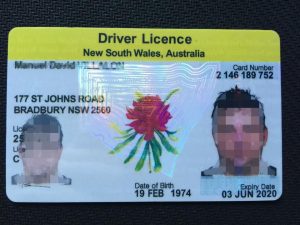
Be the first to review “ORDER A NEW SOUTH WALES FAKE DRIVER LICENCE”
Related products

Australian Fake Drivers License
Australian Fake Drivers License

Australian Fake Drivers License
Australian Fake Drivers License
ORDER AN AUSTRALIAN CAPITAL TERRITORY (ACT) FAKE DRIVER LICENCE

Reviews
There are no reviews yet.