
No products in the cart.


Getting an Australian driver’s license is a significant step toward independence and mobility in the country. The process is designed to ensure all drivers have the necessary skills and knowledge to navigate Australia’s roads safely. Whether you are a new resident, an international visitor, or a young person just starting your driving journey, understanding the legal and proper channels is essential.
Your Journey to an Australian Driver’s License
The path to an Australian driver’s license begins with understanding the tiered licensing system. This multi-stage process helps new drivers build experience gradually. For most car drivers, the journey starts with a learner’s permit, progresses to a provisional license, and culminates in a full, unrestricted license. Each stage has specific requirements, including age limits, supervised driving hours, and tests.
Navigating the Learner Stage
The first step is to obtain your learner’s permit. This requires passing a knowledge test on Australian road rules. The official handbooks and online practice tests are invaluable resources for this. Once you have your learner’s permit, you must be supervised by a fully licensed driver while on the road. The required number of supervised hours, especially for night driving, varies by state and territory. This phase is crucial for developing practical skills in a controlled environment.
The Provisional Period: Gaining Independence
After meeting the learner requirements, you will take a practical driving test. Passing this test awards you a provisional license, often referred to as “P-plates.” This is your chance to drive independently, but with some restrictions, such as speed limits, passenger limits, and a zero blood alcohol concentration. The provisional period is a probationary time, allowing you to gain confidence and experience as a driver without constant supervision.
For Newcomers: Transferring Your Overseas License
If you’re a new resident or on a long-term visa, you may be able to drive in Australia on your overseas license for a set period. However, you will eventually need to transfer to an Australian driver’s license. This process can be simple or may require you to take both a knowledge and practical driving test, depending on your country of origin and the length of time you’ve held your license. It’s a legal requirement to ensure all drivers on Australian roads are familiar with local rules and regulations. The first step is to contact the transport authority in your state or territory to confirm the specific requirements for converting your overseas license.
FAQs
What documents do I need to get an Australian driver’s license? You will need to provide proof of identity and residency. This typically includes a combination of documents like your passport, birth certificate, proof of address (e.g., a utility bill), and a signature.
Who is eligible to apply for a learner’s permit? Eligibility varies by state, but generally, you must be at least 16 years old to apply for a learner’s permit in Australia.
Why do I need to log supervised driving hours? Logging supervised hours is a critical part of the learner stage. It ensures new drivers gain a wide range of experience in different traffic and weather conditions, preparing them for the challenges of independent driving.
How long does it take to get a full Australian driver’s license? The total time can vary, but it’s typically a multi-year process. You must hold your learner’s and provisional licenses for minimum periods before you can apply for a full license. This structured approach is designed for road safety.
Will my overseas license be accepted in Australia? While you can often drive on a valid overseas license for a short period as a visitor or new resident, you must eventually apply for an Australian driver’s license to continue driving legally. The rules depend on your visa status and the state you reside in.
Be the first to review “Buy Australia Drivers License”
Related products
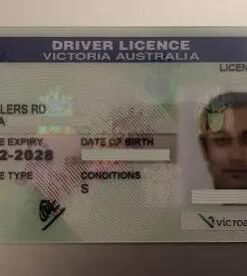
Drivers License

Drivers License

Reviews
There are no reviews yet.